Research-driven strategy for sport organizations, events, sponsors, and athletes
I help leagues, events, teams, governing bodies, sponsors, destinations, and athletes understand their audiences, demonstrate their value, improve their experiences, and identify opportunities for sustainable growth.
My consulting work combines academic rigor with practical sport-industry experience. I design research around the decisions an organization needs to make, select appropriate quantitative and qualitative methods, analyze the findings, and translate the results into recommendations that executives and stakeholders can use.
I have attracted more than $2 million in research funding and consulting and have worked with organizations ranging from international sport properties and governing bodies to athletes, associations, public-sector stakeholders, and technology ventures. My industry work builds on more than 60 peer-reviewed publications in sport marketing, strategic management, consumer behavior, digital engagement, sponsorship, and service research.
Event Impact and Host-Market Value
Major sporting events create value across a network of stakeholders. Organizers need evidence that explains that value credibly to host cities, tourism authorities, sponsors, media partners, community leaders, and future bidders.
I design event-impact research that examines how an event affects its host market and how those effects should be communicated.
Economic-impact analysis
Economic-impact studies estimate the spending and economic activity attributable to an event. The objective is not to generate the largest possible number. It is to produce a defensible estimate based on clearly defined assumptions, appropriate visitor segmentation, and reliable data.
Research can examine:
- Visitor attendance and origin
- Length of stay
- Accommodation, dining, transportation, retail, and entertainment spending
- Event-related organizational expenditures
- Direct, indirect, and induced economic effects
- Tax implications and employment activity
- Differences among local residents, day visitors, and overnight visitors
- The degree to which spending is genuinely attributable to the event
A credible analysis gives the organization a stronger basis for conversations with host markets, public agencies, commercial partners, and future event bidders.
Media and destination impact
Sporting events also create value through visibility. Media coverage can introduce a destination to new audiences, associate it with particular attributes, and shape perceptions of the host city or region.
My work examines traditional and digital media to assess:
- Volume and reach of event-related coverage
- Host-destination mentions and visibility
- Images and attributes associated with the destination
- Social-media engagement
- Earned-media value
The resulting analysis helps event organizers and host destinations understand not merely how much coverage occurred, but what the coverage communicated and whether it advanced their strategic objectives.
Fan Experience and Event Satisfaction
Attendance alone does not demonstrate that an event succeeded. A sold-out venue can still contain avoidable friction, unmet expectations, or missed opportunities to strengthen relationships with fans.
I evaluate the full event experience—from pre-event communication and arrival to in-venue services, entertainment, engagement activities, and post-event intentions.
Research may examine:
- Ticket purchase and pre-event communication
- Transportation, arrival, security, and entry
- Venue navigation and facilities
- Food, beverage, merchandise, and concessions
- Entertainment and presentation
- Digital services and mobile applications
- Fan engagement activities
- Staff interactions
- Satisfaction, recommendation, and return intentions
- Differences among audience segments
My recommendations distinguish between features that are performing well, elements that require immediate attention, and opportunities that could differentiate the event from competing experiences.
VIP, Hospitality, and Stakeholder Experience
Premium hospitality serves a different function from general attendance. It is often central to sponsor retention, business development, executive relationships, and the experience of strategically important partners.
VIP guests may include sponsors, corporate clients, athletes’ guests, media representatives, government officials, prospective host partners, and other high-profile stakeholders. Their expectations differ, and their assessment of the event can influence relationships extending well beyond event day.
I design research that evaluates:
- Invitation and accreditation processes
- Communication before the event
- Arrival, access, and transportation
- Hospitality environment and service quality
- Food and beverage
- Seating and viewing experience
- Access to athletes, executives, or exclusive programming
- Networking and business-development opportunities
- Perceived exclusivity and value
- Satisfaction with specific hospitality assets
- Future attendance, partnership, and recommendation intentions
The findings help organizations improve premium experiences, allocate resources more effectively, retain sponsors, and strengthen relationships with their most important stakeholders.
Sponsorship Strategy and Evaluation
Sponsorship is not simply the purchase of visibility. It is a strategic relationship in which the sponsor and the sport property exchange access, meaning, resources, credibility, and audience relationships.
I help organizations evaluate whether those partnerships create value—and why.
Sponsorship effectiveness
Evaluation begins with the objectives of the partnership. Depending on the strategy, appropriate outcomes may include:
- Sponsor awareness and recognition
- Brand-image transfer
- Perceived fit and credibility
- Consumer attitudes and purchase intentions
- Engagement with sponsor content or experiences
- Lead generation
- Hospitality outcomes
- Stakeholder relationships
- Community or social-impact outcomes
- Media exposure and visibility
- Sponsor retention and renewal
There is no single measure of sponsorship success. The research design should reflect what the partnership was intended to accomplish.
Activation evaluation
Sponsorship rights create an opportunity; activation determines how effectively that opportunity is used.
I examine whether activation-based experiences—such as interactive exhibits, demonstrations, competitions, hospitality, athlete appearances, and digital content—produce stronger outcomes than passive signage or display-based exposure.
This allows sponsors and properties to determine which activities attract attention, add value to the fan experience, strengthen brand associations, and justify future investment.
My applied sponsorship work has helped sport properties demonstrate value to global partners, compare activation strategies, support renewal discussions, and improve the design of future sponsorship programs.
Athlete Branding and NIL Strategy
Athletes now operate as brands, media channels, commercial partners, advocates, and entrepreneurs. Their opportunities are no longer determined only by competitive performance.
I support athletes, associations, educational institutions, and sport organizations in understanding how athlete brands are developed, communicated, evaluated, and monetized.
Consulting and educational work may address:
- Athlete-brand positioning
- Personal identity and differentiation
- Audience and stakeholder analysis
- Social-media strategy
- Authenticity and self-presentation
- Content themes and communication
- Sponsorship readiness
- Partner fit and evaluation
- NIL valuation
- Commercialization strategy
- Philanthropy and civic engagement
- Reputation and long-term career development
A strong athlete brand is not an invented persona. It is a coherent and credible expression of the athlete’s experiences, values, abilities, relationships, and ambitions.
My work in this area has included athlete-brand development, NIL policy guidance, educational programming for student-athletes, and the development of a personal-branding certificate for professional players in a major North American league. I have also advised the California Community Colleges on NIL policy and supported NIL education initiatives for younger athletes.
The objective is not merely to help athletes secure their next promotional agreement. It is to help them make informed decisions, identify suitable partners, protect their reputation, develop sustainable opportunities, and prepare for life beyond competition.
Women’s Sport Strategy and Brand Positioning
The growth of women’s sport creates opportunities, but sustainable development requires more than increased attention during major events.
Teams, clubs, leagues, federations, and sponsors need to determine how women’s sport fits within their broader strategy, how resources should be allocated, which audiences can be developed, and how commercial partnerships can create mutual value.
I support research and strategy addressing:
- The positioning of women’s teams within club portfolios
- Relationships between women’s and men’s team brands
- Audience and market development
- Athlete visibility
- Sponsorship opportunities
- Resource allocation
- Brand architecture
- Organizational integration and independence
- Commercial and social value
- Long-term growth strategy
I served as an academic expert supporting UEFA’s work on the business case for women’s football and have subsequently contributed to research on the strategic position of women’s teams, sponsorship benefits, consumer perceptions, and the visibility of women athletes.
The objective is to help organizations move beyond symbolic support and make informed decisions about positioning, investment, operations, and commercialization.
Digital Engagement and Consumer Research
Digital platforms allow sport organizations to communicate directly with consumers, but downloads, impressions, and follower totals provide only a partial view of performance.
I help organizations understand how consumers experience and respond to digital products, content, and engagement mechanisms.
Projects may examine:
- Mobile-app experience
- Gamification
- Fantasy-sport engagement
- Artificial-intelligence-based features
- Social-media content performance
- Push notifications
- Consumer retention
- In-app purchasing
- Audience segmentation
- User motivations
- Digital brand communities
- Product-market fit
My experience includes academic research, user-experience research for a gamified football application, and the development of a sport-engagement platform that generated more than 300,000 interactions and attracted more than 1,000 athlete users.
This combination of research and product experience helps me distinguish between features that appear engaging in theory and those that consumers actually understand, value, and continue to use.
I consult some of the leading sport organizations in their field, such as the NBA, Laver Cup, and UEFA. Below are some example projects.
National Basketball Association
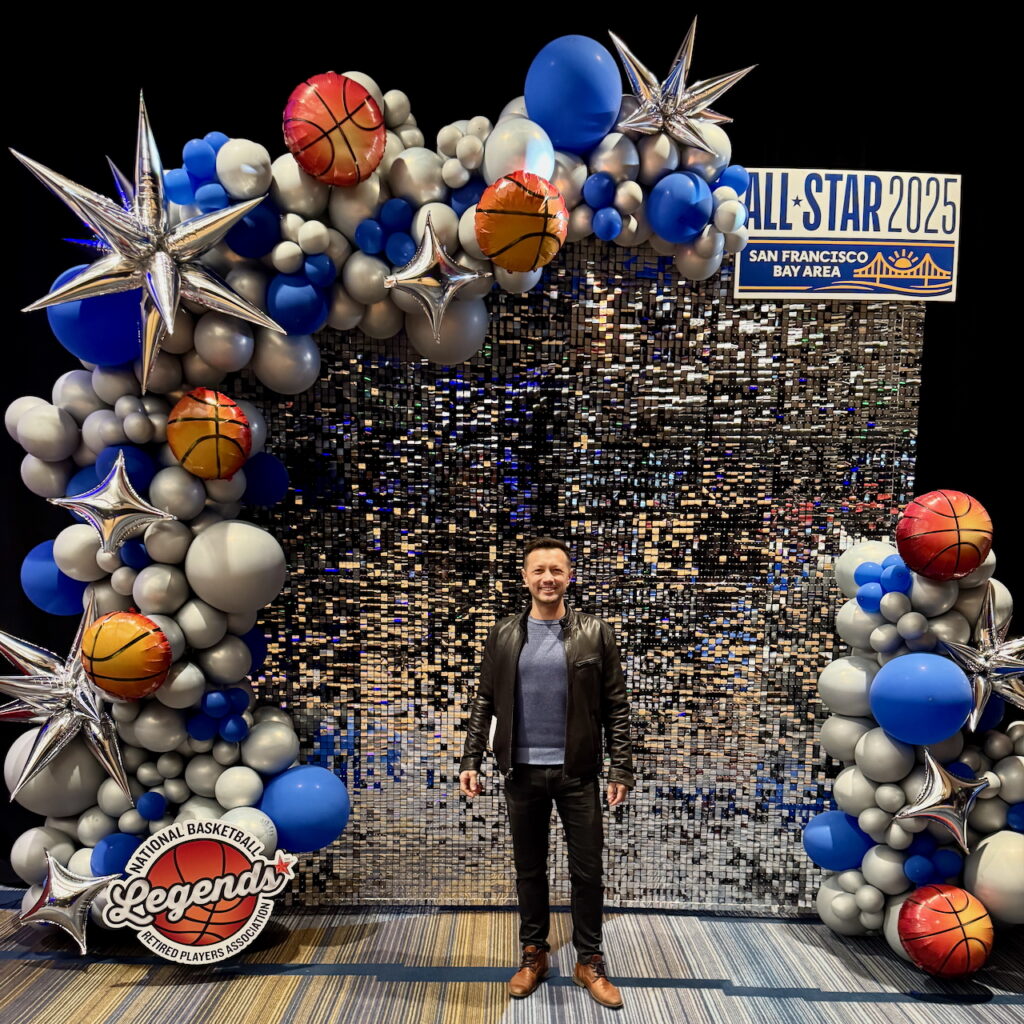
My work with the NBA began in connection with NBA All-Star 2020 in Chicago. That initial event-impact project developed into an ongoing research relationship covering major domestic and international NBA events.
Projects have included research connected to:
- NBA All-Star
- NBA Summer League
- NBA Draft
- NBA Cup
- International and Global Games
- WNBA All-Star
The work has spanned events in cities including Chicago, Atlanta, Cleveland, Salt Lake City, Indianapolis, San Francisco, Los Angeles, Las Vegas, New York, Paris, Abu Dhabi, Mexico City, London, and Berlin.
Depending on the event, the scope has included economic impact, media and destination analysis, fan satisfaction, attendee behavior, and stakeholder experience. These projects help the league and its partners understand the value created by an event, communicate results to host markets, and identify opportunities to improve future editions.
Laver Cup
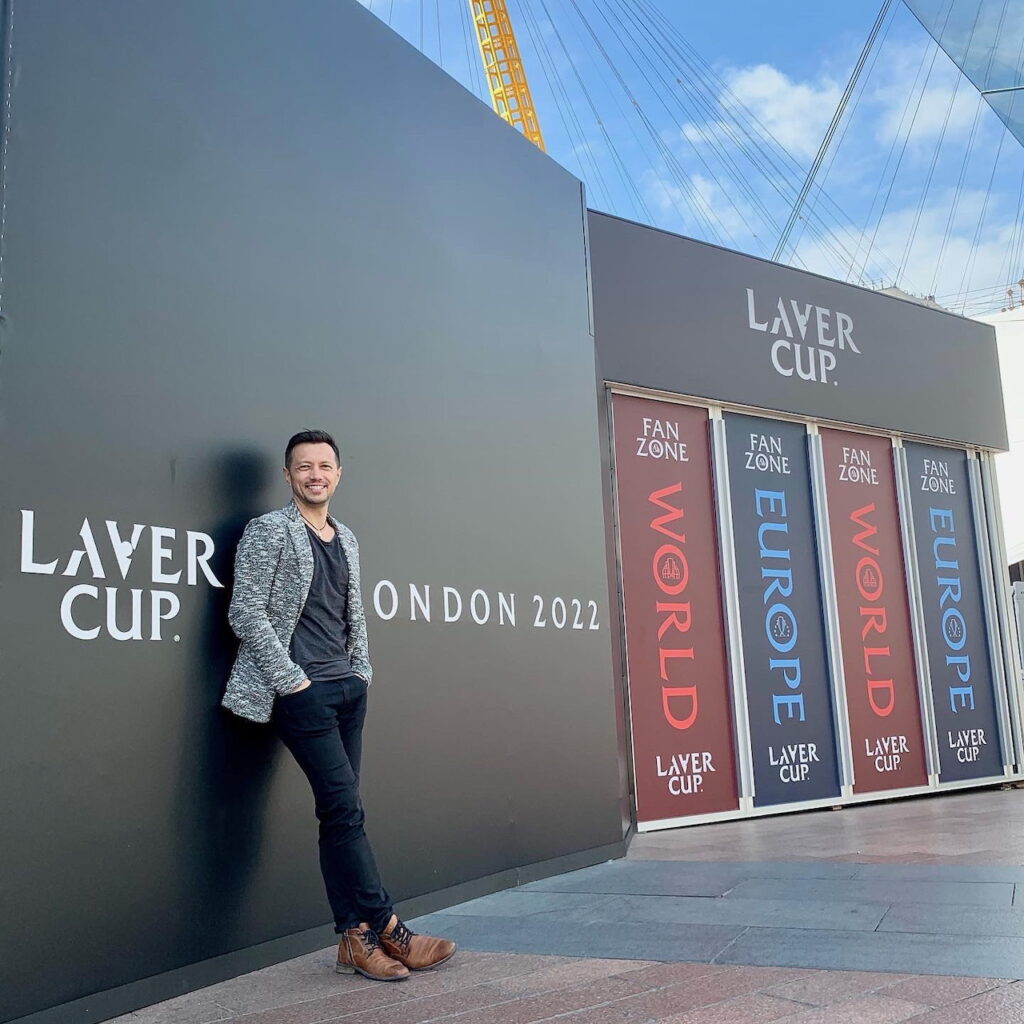
I have worked with the Laver Cup since 2018, beginning with the event in Chicago. The relationship subsequently expanded across events in Geneva, Boston, London, Vancouver, Berlin, and San Francisco.
Research has included:
- Economic impact
- Media and destination analysis
- Fan satisfaction
- VIP and hospitality experience
- Sponsorship effectiveness
- Stakeholder communication
The work has helped the organization quantify and communicate both the tangible and intangible value of the event. It has also supported sponsorship evaluation, event improvement, host-market relationships, and stakeholder reporting.
As the Laver Cup’s CEO wrote in support of this work, the research enabled the organization to “quantify and communicate the tangible and intangible aspects of the Laver Cup” to its stakeholders.
Athlete Branding and NIL Advisory Work
My athlete-branding work has included direct consultation with professional athletes, curriculum development for college athletes, a professional-player educational certificate, and policy advising.
I have supported projects involving personal positioning, digital communication, philanthropy, sponsorship, and career transition. I have also served as an expert contributor to NIL policy discussions and educational initiatives.
One particular impactful case was positioning Michael Lahoud’s brand around philanthropy. Michael already actively supporting underrepresented communities and raised funds to build a school in his home country Sierra Leone.
We collected both qualitative and quantitative data to examine his target market of current fans and the associations fans linked to his name. These data were used to clarify his mission and direct him toward a more strategic approach to leverage key stakeholders, such as the Players Tribune and Beyond Sport, and develop sponsorship proposals that helped him sign sponsors.
As a result, Michael won the 2015 FIFA FIFPro Award and the 2016 NASL Humanitarian of the Year Award, and raised over $35’000 to finalize building a School in Sierra Leone.
In his words: “I think without knowing what your brand is you cannot move anywhere. You cannot build anything and really develop into the complete athlete. You need to know your target market and what they want. No one knew the extent of the good I was doing because I wasn’t sharing it; it wasn’t public knowledge; I didn’t use it strategically to build my brand. So in doing my part in putting it out there, of taking video footage, taking photos and sharing it with the world, sharing it through social media, really opened peoples’ eyes and led to great outcomes.”

Governing Bodies and Strategic Advisory
I have advised organizations on questions extending beyond a single event or campaign, including:
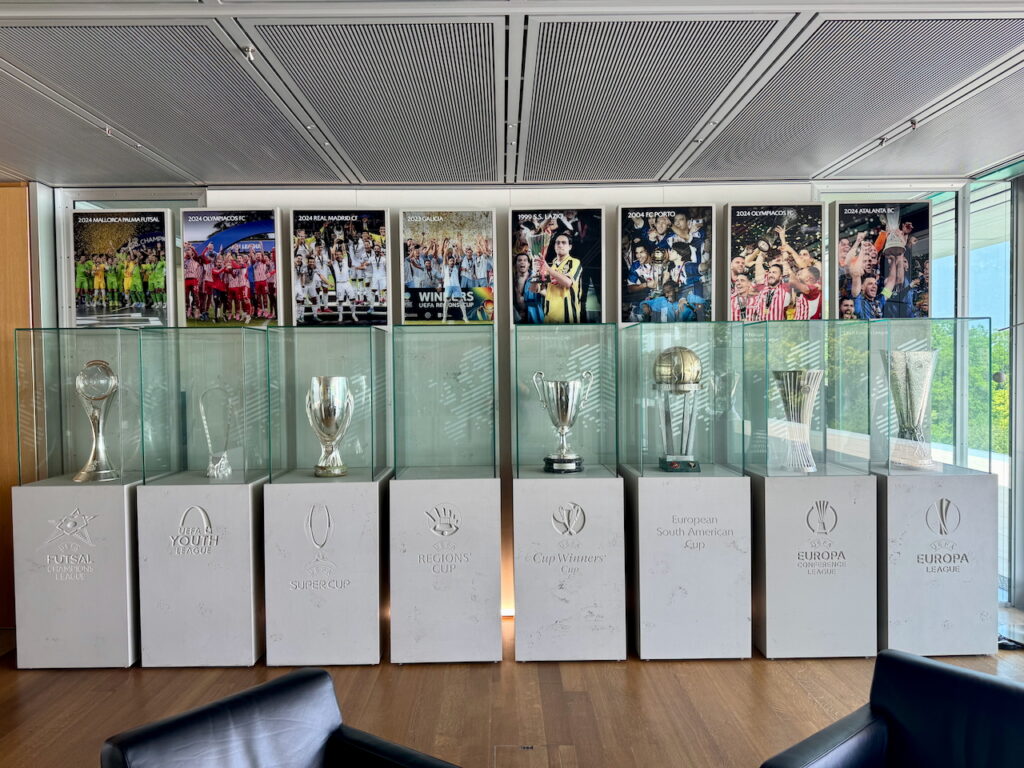
- UEFA research on the business case for women’s football
- Strategic positioning of women’s teams
- NIL policy and athlete education
- Sport-market and brand research
- Sponsorship strategy
- Stakeholder communication
- Research translation and executive education
Bath On Ice
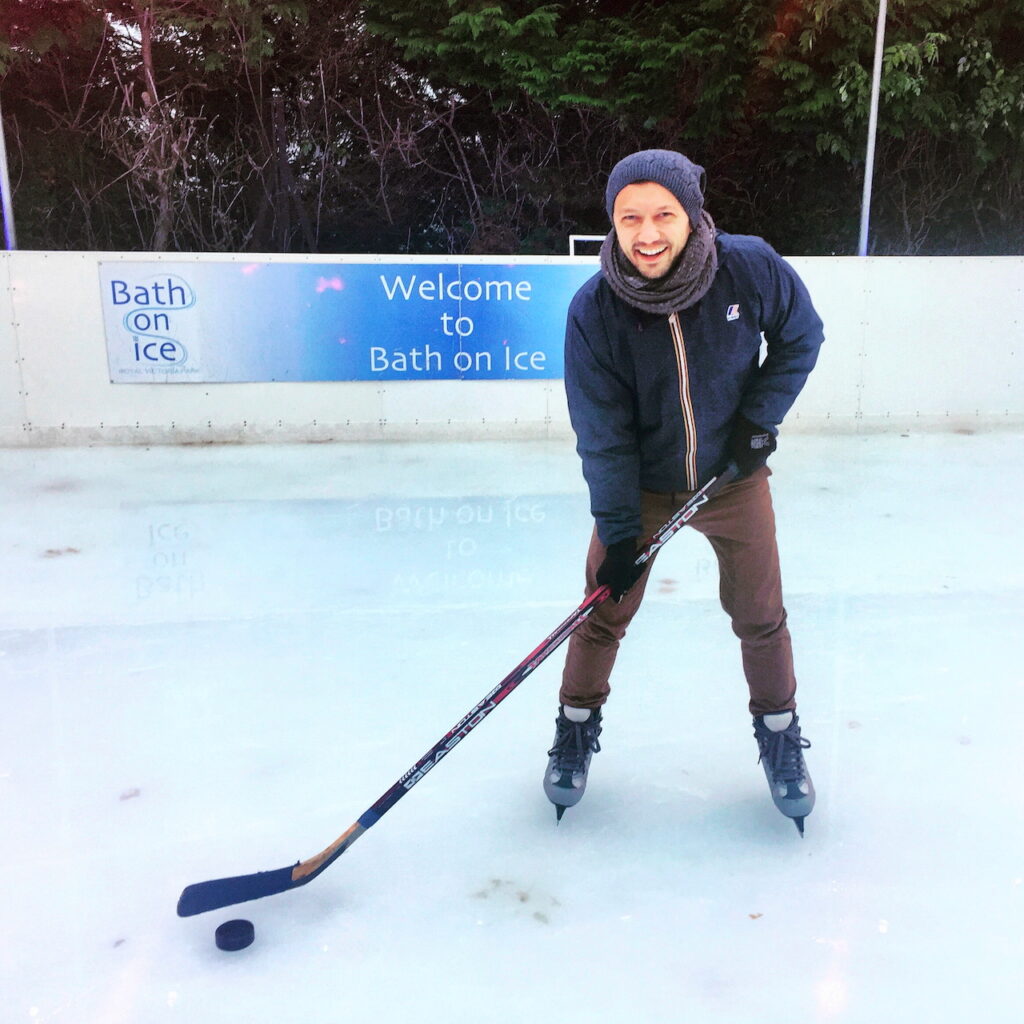
Bath on Ice engaged me to evaluate the economic, media, and consumer impact of its flagship winter event. Working closely with the organizing team, I designed a comprehensive evaluation framework that measured visitor spending, economic impact, media exposure, event satisfaction, and the event’s contribution to the City of Bath’s destination brand. Rather than simply reporting attendance figures, the project quantified the broader value created for local businesses, tourism, and the host community, providing evidence that the event generated a substantial positive economic impact while strengthening Bath’s image as a vibrant winter destination.
The research became an important strategic asset for the organization. The independent impact reports helped demonstrate the event’s value to local stakeholders, supporting the renewal of Bath on Ice’s operating license and providing credible evidence for discussions with municipalities considering similar events. Building on these insights, the organization successfully expanded from a single event in Bath to four locations across the United Kingdom, using the research to demonstrate both commercial viability and community benefits.
Beyond event evaluation, I also advised Bath on Ice’s sponsorship strategy through research examining how sponsorship activation influences consumer attitudes and purchasing behavior in a competitive event environment. Working with the event organizers, we combined visitor surveys with actual point-of-sale data to evaluate sponsor return on investment. The findings showed that immersive sponsorship activation significantly improved sponsor brand perceptions and even enabled a lesser-known sponsor to outperform a well-established competitor in on-site sales, providing rare empirical evidence of sponsorship effectiveness in a real-world event setting. This project exemplifies my consulting philosophy: combining rigorous research design with practical insights that help organizations secure stakeholder support, demonstrate return on investment, and make better strategic decisions.