My research is positioned on the intersection of strategic management and marketing with a focus on the Sport and Entertainment industry.
I analyse consumer data to help organizations build their brand, engage consumers, activate sponsorships and foster consumer loyalty.
I am specialized in examining brand relationships within different brand architectures to provide insights into the positioning of brands in a competitive environment; and digital consumer engagement through gamification to provide insights into user behavior, app development, and monetisation.
The application of my research provides relevant stakeholders with solutions to improve the consumer experience, foster stakeholder engagement, and increase revenues.
Research topics
Across my work, I address questions with direct implications for the sport and entertainment industry. I am particularly interested in the relationship between organizational strategy and consumer behavior. This research is organized around three connected areas:
Athlete Branding & Sponsorship
Athlete brands are no longer shaped only by performance or by the teams and leagues athletes represent. Social media, direct-to-consumer communication, and Name, Image, and Likeness rights allow athletes to communicate with audiences, pursue commercial partnerships, support social causes, build businesses, and develop identities that can extend beyond their playing careers. My research examines how athletes manage this expanded role within a complex brand ecosystem that includes teams, leagues, sponsors, agents, governing bodies, media organizations, social platforms, and fans. This work shows that successful branding involves more than increasing posting frequency or follower counts. Strong athlete brands emerge from a coherent identity, consistent communication, and meaningful connections between who athletes are, what they represent, and the audiences they seek to reach.
Sponsorship is a key mechanism through which athletes, sport organizations, events, and corporations create value together. Unlike conventional advertising, sponsorship links brands and provides access to the meanings, audiences, experiences, and communities associated with the sponsored property. My research examines how sponsorship relationships are formed, communicated, activated, and evaluated. I focus on what makes a partnership credible and valuable to the sponsor, the sponsored property, and consumers, and whether both parties contribute meaningfully while advancing their strategic objectives, and how these relationships can create sustainable value for multiple stakeholders.
Digital Marketing & Gamification
Digital technologies have transformed how sport is produced, distributed, experienced, and monetized. Fans now engage with sport through social media, mobile applications, streaming platforms, fantasy sports, esports, online communities, and artificial-intelligence-driven services. My digital marketing research examines how sport organizations can design, manage, and evaluate these touchpoints to create value for both consumers and the organization. This includes assessing social-media engagement, using predictive analytics to evaluate content performance, and determining which digital activities contribute to audience growth, brand development, retention, and revenue. A related stream examines how established sport organizations expand into esports. Successful diversification requires more than launching a team or entering a new competition; it depends on organizational sensemaking, internal legitimacy, new capabilities, and a clear understanding of how the esports property fits within the existing brand portfolio.
Gamification uses game-like elements—such as points, rankings, challenges, predictions, rewards, and competition—to shape consumer experiences in non-game settings. My research examines how decision-makers should select, design, communicate, and manage these features rather than assuming gamification is automatically effective. Its impact depends on how consumers interpret the experience, whether challenges feel fair and achievable, and how well features align with user motivations and organizational goals. A central focus is the conversion of in-app activity into meaningful business outcomes. Engagement with trivia, predictions, leaderboards, or challenges has limited strategic value unless it improves KPIs such as retention, repeat use, paid conversion, spending, attitudinal loyalty, event attendance, or consumption of the core service, such as the sport organization. My work helps organizations connect gamified experiences to measurable performance and adapt them over time.
Fan Engagement & Loyalty
Sport organizations depend on relationships that are emotional, social, symbolic, and behavioral. Fans develop identities, form communities, display affiliation, and invest time, money, and emotion in the brands they support. My research on fan engagement and loyalty examines how these relationships develop, change, and influence behavior.
Fan engagement begins with the many ways consumers interact with sport beyond purchasing tickets or watching games. Fans create content, advocate for teams, participate in communities, provide feedback, engage with sponsors, attend events, and express their identities through apparel and other visible forms of affiliation. My research examines both transactional and non-transactional engagement, recognizing that fans can create value even when no immediate purchase occurs. Related work explores how belonging, distinction, and social identity shape consumption, international fandom, and other behaviors. This broader perspective helps organizations identify how different audiences engage, where experiences create value or friction, and how engagement can be strengthened across digital platforms, venues, events, and communities.
Over time, these interactions can develop into loyalty. Sport organizations operate within an interconnected brand ecosystem in which consumers may simultaneously form relationships with athletes, teams, leagues, events, sponsors, and venues. My research examines how brand associations, satisfaction, trust, identity, recognition, communication, perceived benefits, and service quality influence involvement, attendance, retention, and long-term support. This includes work with season-ticket holders and other highly committed consumers, where longevity should not automatically be equated with loyalty. Together, these insights help organizations convert meaningful engagement into durable relationships and sustained behavioral and attitudinal loyalty.
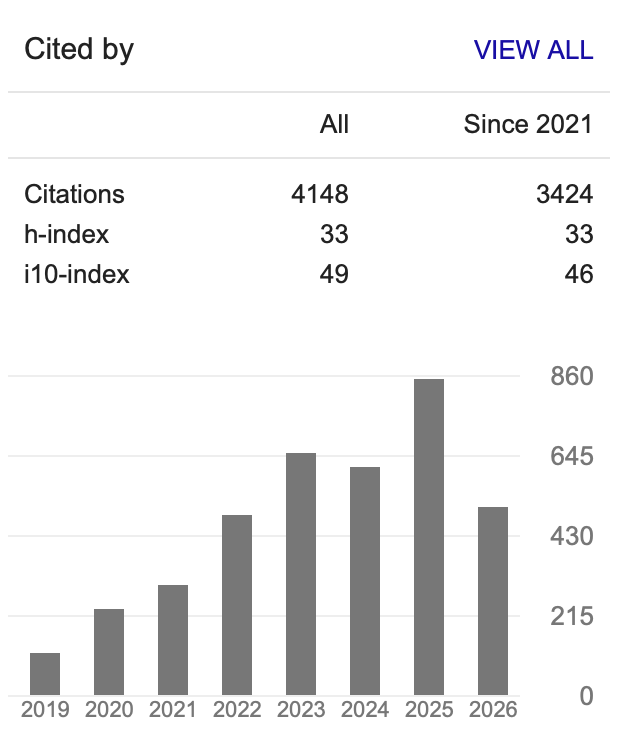
Together, these areas reflect a broader objective: to produce research that is theoretically rigorous, relevant to practice, and capable of improving decisions made by athletes, sport organizations, sponsors, governing bodies, and policymakers. My work has resulted in more than 60 peer-reviewed journal articles and has been published across leading sport management, marketing, consumer behavior, and service-management journals.
Below is a list of my peer reviewed journal articles. You can request the PDF of the published article by clicking on the download button.
Peer reviewed journal articles
Lee, M.A., Yang, X., Funk, D.C., & Kunkel, T. (2026). Belonging and being different: the role of group dynamics and social visibility on team apparel consumption. Sport Marketing Quarterly. https://doi.org/10.1177/10616934261459729
Gupta, K., Funk, D. C., & Kunkel, T. (2026). Gameful affordance management for engagement and retention (GAMER) framework: Organizational practices to manage consumer affordances in gamified service. Journal of Service Management. In Press. https://doi.org/10.1108/JOSM-07-2024-0300
Kim, K. Y. & Kunkel, T. (2025). Effects of fit between promotional message and regulatory focus on consumers’ sports betting behavior: The moderating role of consumers’ familiarity. UNLV Gaming Research & Review Journal. 29 (12) 215–233 https://doi.org/10.9741/2327-8455.1519
Gupta, K., Funk, D. C., & Kunkel, T. (2026). Challenge accepted! Or not: Impact of Artificial Intelligence (AI)-based matchmaking on Motivation to re-engage with fantasy sports application. Sport Management Review, 29(1), 189–215 https://doi.org/10.1080/14413523.2025.2551999
Bredikhina, N., Kunkel, T., Taylor, L., Funk, D., & Baker, B. (2025). ‘You are the brand’: Examining the experience of person-environment fit in NCAA college athletes’ pursuit of Name, Image, and Likeness sponsorship. Journal of Sport Management, 35(6), 537–550 https://doi.org/10.1123/jsm.2024-0055
Ladik, D., Kunkel, T., Gupta, K.*, & McArdle, D.* (2025). Powerplay revisited – Outlining the future of sport marketing research. European Journal of Marketing, 59(7), 1585–1614 https://doi.org/10.1108/EJM-02-2023-0135
Bredikhina, N., Kunkel, T., Kennedy, H., & Fumagalli, F. (2025). Exploring the determinants of women football players’ Instagram popularity. Sport Management Review. 28(3), 523–548 https://doi.org/10.1080/14413523.2025.2468037 .
Bredikhina, N.*, Kunkel, T., & Kudesia, R. (2024). Authenticity negotiation: How elite athletes (re)present themselves as personal brands. Journal of Sport Management, 35(6), 537-550
Doyle, J.D., Kunkel, T., Su, Y., Biscaia, R., & Baker, B. (2023). Advancing understanding of individual-level brand management in sport. European Sport Management Quarterly, 23(6), 1631-1642.
McDonald, H., Pallant, J. Funk, D. C., & Kunkel. T. (2024). Who doesn’t like sport? A taxonomy and hierarchy of non-users of professional sport. Sport Management Review. 27(1), 67-89.
Cocco, A., Kunkel, T., & Baker, B. (2023). The influence of personal branding and institutional factors on the NIL value of collegiate athletes’ social media posts. Journal of Sport Management. 37(5), 359-370.
Kennedy, H., Bredikhina, N.*, Athanas-Linden, G.*, Kunkel, T., & Funk, D. (2023). Managing social media through crisis: A content analysis of Instagram posts before and during the COVID-19 pandemic. Sport Marketing Quarterly. 32(4) 284-301
Gupta, K.*, Su, Y., Kunkel, T., & Funk, D. (2022). The super engagers of freemium gamified services: Using multimethod approach to examine why highly interactive consumers become paying consumers. Internet Research, 32(6), 1891-1909
Baker, B.J., Kunkel, T., Doyle, J., Su, Y., Bredikhina, N., & Biscaia, R. (2022). Remapping the brandscape. A review and future direction for sport brand research. Journal of Sport Management, 36(3), 251-264.
Bredikhina, N.* & Kunkel, T. (2022). Make it count: Comparing outcomes of activation and advertising-like event sponsorship. Event Management, 26 (7), 1447-1467
Pizzo, A.*, Kunkel, T., Jones, G. J., Baker, B. J., & Funk, D. C. (2022). The strategic advantage of mature-stage firms: Digitalization and the diversification of professional sport into esports. Journal of Business Research. 139, 257-266.
Pizzo, A.*, Jones, G., Baker, B., Funk, D., & Kunkel, T. (2022). Sensemaking of novelty: The dynamic nature of integrating esports within a traditional sport organization. Sport Management Review, 25(3), 383-405
Doyle, J. P., Kunkel, T., Filo, K., Kelly, S., & Cuskelly, G. (2024). Seeing the same things differently: Exploring the unique brand associations linked to women’s professional sport teams. Journal of Strategic Marketing. 32(6), 729-74
Huettermann, M.* & Kunkel, T. (2022). The influence of non-transactional fan engagement behavior on merchandise consumption. Sport Marketing Quarterly. 31, 48-61
Doyle, J. P., Filo, K., Thomson, A., & Kunkel, T. (2021). Large-scale sport events and resident well-being: Examining the Gold Coast 2018 (GC2018) Commonwealth Games. Journal of Sport Management, 35(6), 537-550
Kennedy, H.*, Kunkel, T., & Funk, D.C. (2021). Using predictive analytics to measure effectiveness of social media engagement: A digital measurement perspective. Sport Marketing Quarterly, 30, 265-277
Doyle, J.P., Su, Y., & Kunkel, T. (2022). Athlete branding via social media: examining the factors influencing consumer engagement on Instagram. European Sport Management Quarterly, 22(4), 506-526
Zhou, X.*, Funk, D.C., Kunkel, T., & Lu, L. (2020). Solving the athleisure myth: A means-end chain analysis of activewear consumption. Journal of Sport Management, 35(1), 81-93
Su, Y.*, Kunkel, T., & Ye, N.* (2021). When abs do not sell: The impact of male influencers conspicuously displaying a muscular body on female followers. Psychology & Marketing. 38(2), 286-297
Su, Y.* & Kunkel, T. (2021). The significance of a sponsored event on lesser-known brands in a competitive environment. Journal of Product & Brand Management, 30(4) 579-593
Na, S.*, Kunkel, T.#, & Doyle, J.P. (2020). Exploring athlete brand image development on social media: The role of signalling through source credibility. European Sport Management Quarterly, 20 (1), 88-108.
Su, Y.*, Baker, B., Doyle, J.P., & Kunkel, T. (2020). The rise of an athlete brand: Factors influencing the social media following of athletes. Sport Marketing Quarterly, 29(1), 32-45.
Lee, M.A.*, Kunkel, T.#, Funk, D.C., McDonald, H., Karg, A. (2020). Built to last: relationship quality management for season ticket holders. European Sport Management Quarterly. 20 (3). 364-384
Daniels, J.*, Kunkel, T.#, & Karg, A. (2019). New brands: Contextual differences and development of brand associations over time. Journal of Sport Management, 33(2), 133-147.
Na, S.*, Su, Y.*, & Kunkel, T.# (2019). Do not bet on your favourite football team: the influence of fan identity-based biases and sport context knowledge on game prediction accuracy. European Sport Management Quarterly, 19(3), 396-418
Su, Y.* & Kunkel, T. (2019). Beyond brand fit: The influence of brand contribution on the relationship between service brand alliance image and its parent brand. Journal of Service Management, 30 (2), 252-275.
Kunkel, T.,Walker, M., & Hodge, C. (2019). The influence of advertising appeals on consumer perceptions of athlete endorser brand image. European Sport Management Quarterly. 19(3), 373-395(ABDC List: B)
Sotiriadou, P., Filo, K. & Kunkel, T. (2018). Challenges to sport development and sport participation from sport managers’ perspectives. International Journal of Sport Management and Marketing, 18(4), 267-284.
Sharpe, S.*, Kunkel, T., Scott, O., & Beaton, A. (2017). Managing digital content for a professional sport team: An Interview with Bill Yole, Social Media Coordinator and Webmaster of the ACT Brumbies Super Rugby franchise. International Journal of Sport Communication, 10(3), 318-324
Scott, O., Beaton, A., Kunkel, T., & Sharpe, S.* (2017). Media strategies to engage stakeholders and navigate crises: An interview with Paul Glover, Media Manager of the ACT Brumbies Super Rugby Franchise.International Journal of Sport Communication. 10(2), 224-232
Scott, O. & Kunkel, T. (2016). Using self-categorization theory to uncover the framing of the 2008 Beijing Olympic Games: A cross-cultural comparison of two national newspapers. Journal of Sports Media, 11(1), 123-144
Lock, D., Filo, K., Kunkel, T., & Skinner, J. (2015). The development of a framework to capture perceptions of sport organizations legitimacy. Journal of Sport Management, 29 (4), 362-379.
Lock, D., Filo, K., Kunkel, T., & Skinner, J. (2013). Thinking about the same things differently: Examining perceptions of a non-profit community sport organisation. Sport Management Review, 16(4), 438-450.
Doyle, J.P., Kunkel, T., Funk, D.C. (2013). Sport spectator segmentation: Examining the differing psychological connections amongst spectators of leagues and teams. International Journal of Sport Marketing and Sponsorship, 14 (2), 95-111.